
Bill of Lading Guide
The Bill of Lading is a crucial document that serves three functions: receipt for shipped goods, contract of carriage, and document of title. Understanding it is essential for exporters.
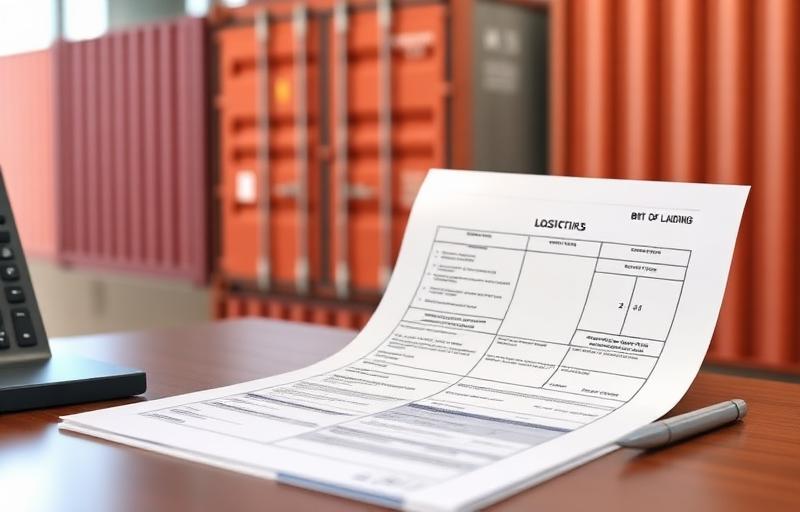
Receipt
Evidence that carrier received goods in stated condition and quantity
Contract
Defines the terms of carriage between shipper and carrier
Title
Document of title - holder can claim goods (if negotiable)
Ocean Bill of Lading (B/L)Can be Negotiable
Document of title for sea freight. Can be negotiable (to order) or non-negotiable (straight).
Best for: Sea shipments, especially with L/C payment
Air Waybill (AWB)Non-Negotiable
Air cargo transport document. Always non-negotiable - consignee can collect on arrival.
Best for: Air freight, time-sensitive shipments
Multimodal/Combined B/LCan be Negotiable
Covers transportation by multiple modes (sea + road, rail, etc.).
Best for: Door-to-door shipments using multiple carriers
Truck Bill of LadingNon-Negotiable
Road transport document, typically non-negotiable.
Best for: Land transport, regional trade
Express/Telex Release
In modern practice, original B/Ls can be "surrendered" at origin port, and goods released at destination without presenting physical documents. This is called Telex Release or Sea Waybill. Useful for trusted buyers, but reduces security for sellers.