Unit price range
Converted from seller's listing currency (UGX). Final checkout uses the confirmed order currency.
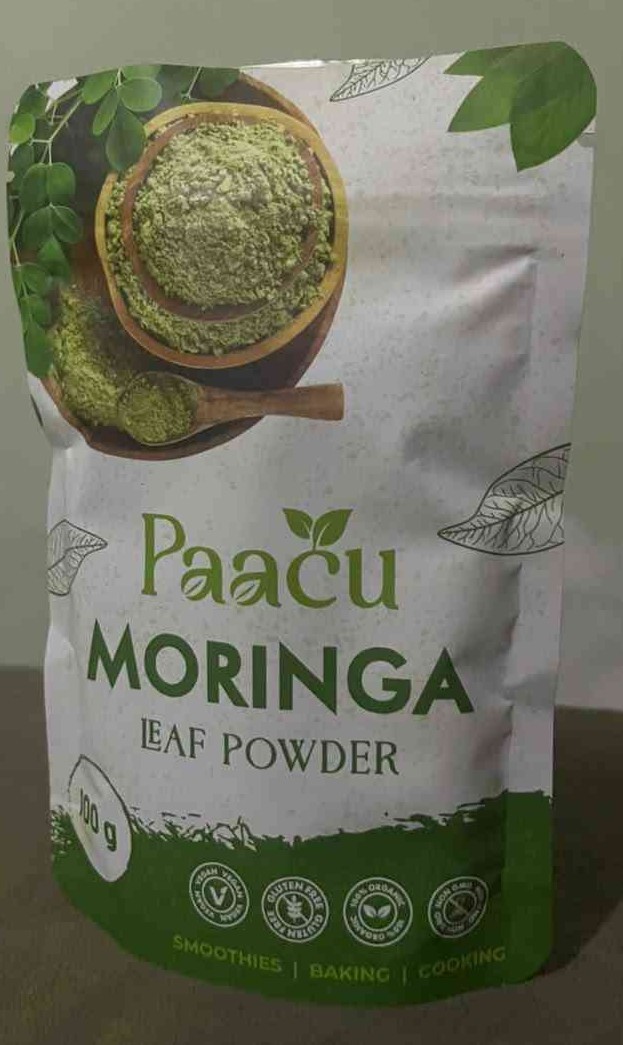
Moringa Powder
Trade Protection
Secure payments with Gloseg Escrow & buyer protection
USh10,000
× 1

Product Spotlights
AI InsightsGlobal Reach
This supplier mainly exports to All markets
AfCFTA Compliant
Eligible for preferential tariffs under the African Continental Free Trade Area agreement
Quality Certified
Product certified with USDA Organic, EU Organic, HACCP and more
Fast Production
Quick turnaround with 3 day lead time for production
Ships to
This product can be delivered to your location
Moringa Powder

Paacu

Paacu a brand redefining modern eating by delivering pure, transparent, additive-free kitchen essentials. We work directly with farmers across Uganda, sourcing ingredients from the regions where they thrive naturally, and safeguarding authentic taste and nutrients through time-tested handling practices without synthetic additives, artificial preservatives, or over-processing
%20--%3e%3csvg%20xmlns:dc='http://purl.org/dc/elements/1.1/'%20xmlns:cc='http://creativecommons.org/ns%23'%20xmlns:rdf='http://www.w3.org/1999/02/22-rdf-syntax-ns%23'%20xmlns:svg='http://www.w3.org/2000/svg'%20xmlns='http://www.w3.org/2000/svg'%20xmlns:sodipodi='http://sodipodi.sourceforge.net/DTD/sodipodi-0.dtd'%20xmlns:inkscape='http://www.inkscape.org/namespaces/inkscape'%20version='1.1'%20id='Layer_1'%20x='0px'%20y='0px'%20width='1000.046'%20height='323.65302'%20viewBox='0%200%201000.046%20323.653'%20enable-background='new%200%200%20258.381%20161.154'%20xml:space='preserve'%20inkscape:version='0.91%20r13725'%20sodipodi:docname='Visa_2006.svg'%3e%3cmetadata%20id='metadata23'%3e%3crdf:RDF%3e%3ccc:Work%20rdf:about=''%3e%3cdc:format%3eimage/svg+xml%3c/dc:format%3e%3cdc:type%20rdf:resource='http://purl.org/dc/dcmitype/StillImage'%20/%3e%3cdc:title%3e%3c/dc:title%3e%3c/cc:Work%3e%3c/rdf:RDF%3e%3c/metadata%3e%3cdefs%20id='defs21'%3e%3c/defs%3e%3csodipodi:namedview%20pagecolor='%23ffffff'%20bordercolor='%23666666'%20borderopacity='1'%20objecttolerance='10'%20gridtolerance='10'%20guidetolerance='10'%20inkscape:pageopacity='0'%20inkscape:pageshadow='2'%20inkscape:window-width='1366'%20inkscape:window-height='705'%20id='namedview19'%20showgrid='false'%20inkscape:zoom='0.35355339'%20inkscape:cx='34.690897'%20inkscape:cy='131.15483'%20inkscape:window-x='-8'%20inkscape:window-y='-8'%20inkscape:window-maximized='1'%20inkscape:current-layer='Layer_1'%20/%3e%3cg%20id='g4158'%20transform='matrix(4.4299631,0,0,4.4299631,-81.165783,-105.04783)'%3e%3cpolygon%20points='116.145,95.719%2097.858,95.719%20109.296,24.995%20127.582,24.995%20'%20id='polygon9'%20style='fill:%2300579f'%20/%3e%3cpath%20d='m%20182.437,26.724%20c%20-3.607,-1.431%20-9.328,-3.011%20-16.402,-3.011%20-18.059,0%20-30.776,9.63%20-30.854,23.398%20-0.15,10.158%209.105,15.8%2016.027,19.187%207.075,3.461%209.48,5.72%209.48,8.805%20-0.072,4.738%20-5.717,6.922%20-10.982,6.922%20-7.301,0%20-11.213,-1.126%20-17.158,-3.762%20l%20-2.408,-1.13%20-2.559,15.876%20c%204.289,1.954%2012.191,3.688%2020.395,3.764%2019.188,0%2031.68,-9.481%2031.828,-24.153%200.073,-8.051%20-4.814,-14.22%20-15.35,-19.261%20-6.396,-3.236%20-10.313,-5.418%20-10.313,-8.729%200.075,-3.01%203.313,-6.093%2010.533,-6.093%205.945,-0.151%2010.313,1.278%2013.622,2.708%20l%201.654,0.751%202.487,-15.272%200,0%20z'%20id='path11'%20inkscape:connector-curvature='0'%20style='fill:%2300579f'%20/%3e%3cpath%20d='m%20206.742,70.664%20c%201.506,-4.063%207.301,-19.788%207.301,-19.788%20-0.076,0.151%201.503,-4.138%202.406,-6.771%20l%201.278,6.094%20c%200,0%203.463,16.929%204.215,20.465%20-2.858,0%20-11.588,0%20-15.2,0%20l%200,0%20z%20m%2022.573,-45.669%20-14.145,0%20c%20-4.362,0%20-7.676,1.278%20-9.558,5.868%20l%20-27.163,64.855%2019.188,0%20c%200,0%203.159,-8.729%203.838,-10.609%202.105,0%2020.771,0%2023.479,0%200.525,2.483%202.182,10.609%202.182,10.609%20l%2016.932,0%20-14.753,-70.723%200,0%20z'%20id='path13'%20inkscape:connector-curvature='0'%20style='fill:%2300579f'%20/%3e%3cpath%20d='M%2082.584,24.995%2064.675,73.222%2062.718,63.441%20C%2059.407,52.155%2049.023,39.893%2037.435,33.796%20l%2016.404,61.848%2019.338,0%2028.744,-70.649%20-19.337,0%200,0%20z'%20id='path15'%20inkscape:connector-curvature='0'%20style='fill:%2300579f'%20/%3e%3cpath%20d='m%2048.045,24.995%20-29.422,0%20-0.301,1.429%20c%2022.951,5.869%2038.151,20.016%2044.396,37.02%20L%2056.322,30.94%20c%20-1.053,-4.517%20-4.289,-5.796%20-8.277,-5.945%20l%200,0%20z'%20id='path17'%20inkscape:connector-curvature='0'%20style='fill:%23faa61a'%20/%3e%3c/g%3e%3c/svg%3e)


Every payment you make on Gloseg is secured with strict SSL encryption and PCI DSS data protection protocols
Claim a refund if your order doesn't ship, is missing, or arrives with product issues
Only orders placed and paid through Gloseg can enjoy free protection by Trade Assurance
About this product
Moringa is one of the most versatile edible plants. Its leaves can be consumed fresh, dried into powder, brewed as tea, or added to everyday meals. The seeds, pods, and flowers can also be eaten, although they are used differently. For Paacu Moringa Powder, there is a real opportunity to show customers that moringa is not just a supplement. It can be part of their daily drinks, breakfast, cooking, and baking routines. 100% pure organic Moringa leaf powder, shade-dried to preserve nutrients. Rich in vitamins A, C, E, calcium, and iron. Superfood grade suitable for health supplements, smoothies, and food fortification. Lab-tested for purity. All the ways you can consume moringa 1. Moringa powder The most convenient way to consume dried moringa leaves. Mix into water or juice. Add to smoothies. Stir into porridge. Mix into yoghurt. Add to soups, sauces, and stews near the end of cooking. Blend into pancake, chapati, or bread dough. Easy starting point: ½–1 teaspoon daily, increasing if well tolerated. 2. Moringa tea Steep dried moringa leaves in hot water for about 5–10 minutes. Strain if using loose leaves. Add lemon, ginger, or a little honey for flavour. Drink warm or chill it for iced tea. You can also make tea using food-grade moringa powder, though it may leave sediment rather than dissolve completely. 3. Smoothies and fresh drinks Combine moringa powder with: Banana and milk. Mango and yoghurt. Pineapple and ginger. Avocado and milk. Passion fruit juice and water. Start with a small amount because moringa has a strong, earthy, slightly bitter taste. 4. Porridge and breakfast foods Stir moringa powder into millet, sorghum, maize, or oat porridge after cooking. You can also add it to overnight oats, yoghurt bowls, or breakfast cereal. This is a practical option for families who already eat porridge regularly. 5. Soups, sauces and stews Add moringa powder toward the end of cooking, or use chopped fresh moringa leaves as a leafy vegetable. It can be incorporated into bean stews, groundnut sauces, vegetable soups, and other savoury dishes. Avoid prolonged high-heat cooking if you want to preserve more heat-sensitive nutrients. 6. Baking and snacks Mix small quantities into: Chapati and flatbread dough. Pancakes and muffins. Homemade crackers. Energy balls made with oats, dates, and peanut butter. Start with small quantities so the colour, bitterness, and texture do not overpower the food. 7. Fresh leaves, pods, flowers and seeds Leaves: Cook like other leafy greens. Young pods: Cook thoroughly and eat like vegetables. Flowers: Used in some food traditions, provided they are correctly identified and prepared for consumption. Seeds: Used in some traditional food practices, but preparation and safe quantities matter. Do not assume that every part of the plant is interchangeable. Avoid eating unknown plant parts or consuming large quantities of raw seeds. 2. How much moringa should you consume? For an adult trying moringa leaf powder for the first time, a practical approach is to start with a small food-level serving, such as ½ teaspoon, and see how your body responds. There is no universally established medicinal dose, and product concentration varies. Cleveland Clinic +1 Method Practical way to start Water or juice Mix ½ teaspoon into a glass Smoothie Add ½–1 teaspoon Porridge Stir ½–1 teaspoon into a serving Tea Brew dried leaves or use a small amount of powder Cooking Add a small amount to one portion or a pot of food These are starting suggestions for food use, not medically established doses. You don't need to consume moringa in every form each day. 3. When should you take moringa? Morning: Mix it into porridge, a smoothie, or breakfast. Midday: Add it to lunch, soup, or a stew. Evening: Drink moringa tea or incorporate it into dinner. There is no strong evidence that taking moringa at a particular time of day delivers special benefits. Choose the time that fits your routine. 4. What can moringa actually do for your health? Moringa leaves contain nutrients, including vitamins, minerals, and plant compounds. They can contribute to a balanced diet, but claims that moringa cures disease, burns belly fat, or detoxifies the body are not well established in human research. Cleveland Clinic +1 5. Important safety precautions Use food-grade moringa from a supplier with appropriate hygiene and microbiological quality controls. Contamination of moringa powder with Salmonella has caused documented outbreaks. FDA +1 Avoid medicinal or concentrated moringa products during pregnancy or breastfeeding unless your healthcare professional advises otherwise. If you take medication for diabetes or blood pressure, or use blood thinners, check with a healthcare professional before taking moringa regularly as a supplement. Avoid the roots and bark, which are not appropriate for routine food consumption. Cleveland Clinic +1 6. A practical opportunity for Paacu For Paacu Moringa Powder, I'd focus on these five easy-to-demonstrate uses in your marketing: Moringa Water Simple everyday preparation Green Smoothie Breakfast and refreshment Moringa Porridge A familiar local food Moringa Tea A warm or iced drink
Unit price range
Converted from seller's listing currency (UGX). Final checkout uses the confirmed order currency.
Freight, duties, and service fees may be confirmed separately.
Incoterms:
AfCFTA Eligible
Preferential tariffs for African trade
4 Certifications
USDA Organic, EU Organic
Quality Assured
Meets international standards
Export Ready
International shipping available
Bulk Pricing
Competitive wholesale rates
Product Description
DetailedMoringa is one of the most versatile edible plants. Its leaves can be consumed fresh, dried into powder, brewed as tea, or added to everyday meals. The seeds, pods, and flowers can also be eaten, although they are used differently.
For Paacu Moringa Powder, there is a real opportunity to show customers that moringa is not just a supplement. It can be part of their daily drinks, breakfast, cooking, and baking routines.
100% pure organic Moringa leaf powder, shade-dried to preserve nutrients. Rich in vitamins A, C, E, calcium, and iron. Superfood grade suitable for health supplements, smoothies, and food fortification. Lab-tested for purity.
All the ways you can consume moringa

1. Moringa powder
The most convenient way to consume dried moringa leaves.
Mix into water or juice.
Add to smoothies.
Stir into porridge.
Mix into yoghurt.
Add to soups, sauces, and stews near the end of cooking.
Blend into pancake, chapati, or bread dough.
Easy starting point: ½–1 teaspoon daily, increasing if well tolerated.

2. Moringa tea
Steep dried moringa leaves in hot water for about 5–10 minutes.
Strain if using loose leaves.
Add lemon, ginger, or a little honey for flavour.
Drink warm or chill it for iced tea.
You can also make tea using food-grade moringa powder, though it may leave sediment rather than dissolve completely.

3. Smoothies and fresh drinks
Combine moringa powder with:
Banana and milk.
Mango and yoghurt.
Pineapple and ginger.
Avocado and milk.
Passion fruit juice and water.
Start with a small amount because moringa has a strong, earthy, slightly bitter taste.

4. Porridge and breakfast foods
Stir moringa powder into millet, sorghum, maize, or oat porridge after cooking. You can also add it to overnight oats, yoghurt bowls, or breakfast cereal.
This is a practical option for families who already eat porridge regularly.

5. Soups, sauces and stews
Add moringa powder toward the end of cooking, or use chopped fresh moringa leaves as a leafy vegetable. It can be incorporated into bean stews, groundnut sauces, vegetable soups, and other savoury dishes.
Avoid prolonged high-heat cooking if you want to preserve more heat-sensitive nutrients.

6. Baking and snacks
Mix small quantities into:
Chapati and flatbread dough.
Pancakes and muffins.
Homemade crackers.
Energy balls made with oats, dates, and peanut butter.
Start with small quantities so the colour, bitterness, and texture do not overpower the food.

7. Fresh leaves, pods, flowers and seeds
Leaves: Cook like other leafy greens.
Young pods: Cook thoroughly and eat like vegetables.
Flowers: Used in some food traditions, provided they are correctly identified and prepared for consumption.
Seeds: Used in some traditional food practices, but preparation and safe quantities matter.
Do not assume that every part of the plant is interchangeable. Avoid eating unknown plant parts or consuming large quantities of raw seeds.
2. How much moringa should you consume?
For an adult trying moringa leaf powder for the first time, a practical approach is to start with a small food-level serving, such as ½ teaspoon, and see how your body responds. There is no universally established medicinal dose, and product concentration varies.
Cleveland Clinic
+1
Method | Practical way to start |
|---|---|
Water or juice | Mix ½ teaspoon into a glass |
Smoothie | Add ½–1 teaspoon |
Porridge | Stir ½–1 teaspoon into a serving |
Tea | Brew dried leaves or use a small amount of powder |
Cooking | Add a small amount to one portion or a pot of food |
These are starting suggestions for food use, not medically established doses. You don't need to consume moringa in every form each day.
3. When should you take moringa?
Morning: Mix it into porridge, a smoothie, or breakfast.
Midday: Add it to lunch, soup, or a stew.
Evening: Drink moringa tea or incorporate it into dinner.
There is no strong evidence that taking moringa at a particular time of day delivers special benefits. Choose the time that fits your routine.
4. What can moringa actually do for your health?
Moringa leaves contain nutrients, including vitamins, minerals, and plant compounds. They can contribute to a balanced diet, but claims that moringa cures disease, burns belly fat, or detoxifies the body are not well established in human research.
Cleveland Clinic
+1
5. Important safety precautions
Use food-grade moringa from a supplier with appropriate hygiene and microbiological quality controls. Contamination of moringa powder with Salmonella has caused documented outbreaks.
FDA
+1
Avoid medicinal or concentrated moringa products during pregnancy or breastfeeding unless your healthcare professional advises otherwise.
If you take medication for diabetes or blood pressure, or use blood thinners, check with a healthcare professional before taking moringa regularly as a supplement.
Avoid the roots and bark, which are not appropriate for routine food consumption.
Cleveland Clinic
+1
6. A practical opportunity for Paacu
For Paacu Moringa Powder, I'd focus on these five easy-to-demonstrate uses in your marketing:

Moringa Water
Simple everyday preparation

Green Smoothie
Breakfast and refreshment

Moringa Porridge
A familiar local food

Moringa Tea
A warm or iced drink
Export Markets
Supplier Capabilities
5+
Years Experience
1+
Export Markets
5MT
Production Capacity
Quality Control Process
Trade & Service Capabilities
Main Export Markets
Specifications
Packaging Details
24pecies per box - 5ply cardbox
Reviews
No Reviews Yet
Be the first to share your experience with this product.
Questions & Answers
Questions & Answers
0 questionsHave a question about this product?
No questions yet. Be the first to ask!
Questions about this product?
Ask the community for insights and experiences